Introduction
Global business is entering a new phase.
Companies are no longer defined by geography. Enterprises today operate across continents, manage distributed teams, and serve customers worldwide. But while business has become global, payments are still catching up.
For decades, cross-border payments have relied on traditional banking systems. These systems were built for a different era — slower, localized, and heavily dependent on intermediaries.
Today, that model is breaking.
Especially for enterprise-level transactions ranging from $50,000 to $10,000,000, the limitations are becoming impossible to ignore:
Slow settlement times
High transaction costs
Currency conversion risks
Operational inefficiencies
This is where a new paradigm is emerging:
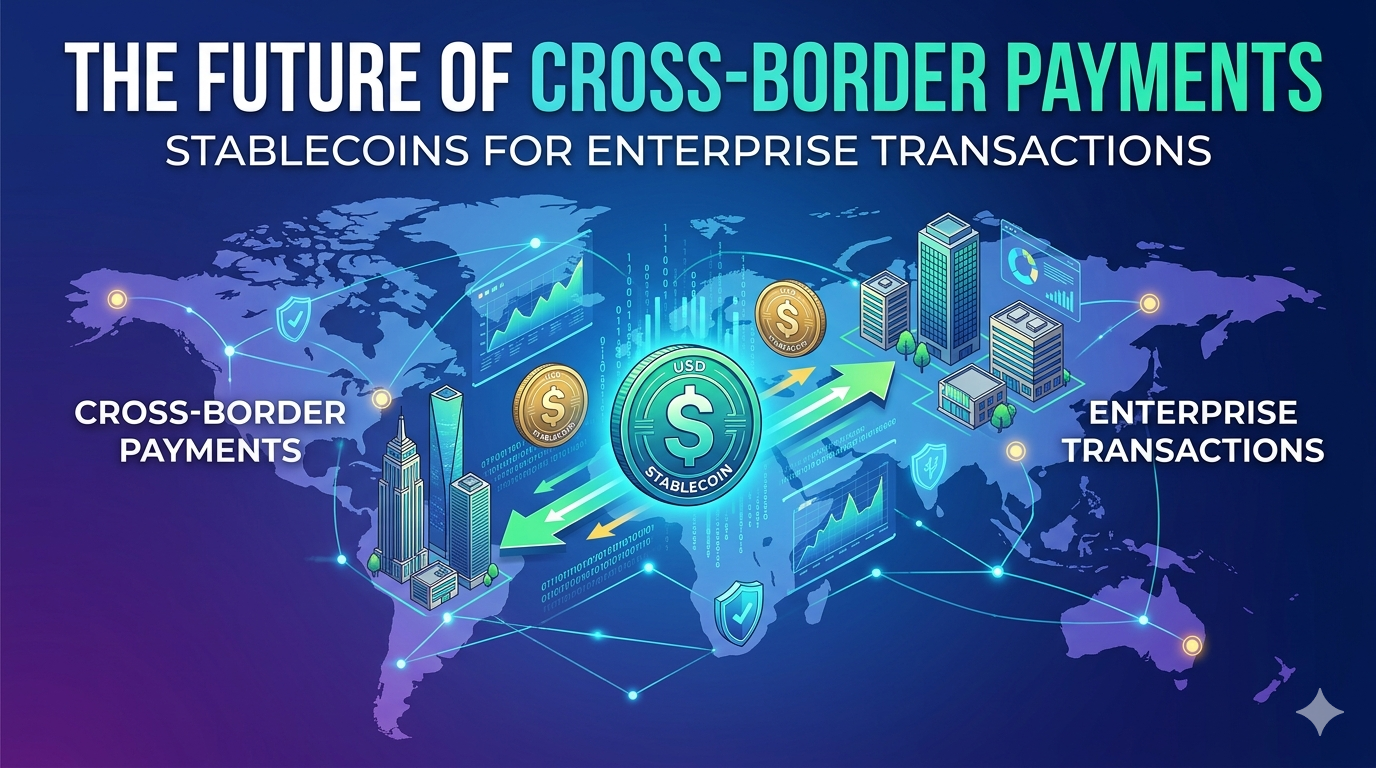
Stablecoin-powered payment infrastructure
This blog explores the future of cross-border payments, why traditional systems are failing, and how stablecoins are becoming the foundation for modern enterprise transactions.
The Current State of Cross-Border Payments
Let’s start with reality.
Despite technological advancements, cross-border payments still face major inefficiencies:
1. Fragmented Systems
Multiple banks, intermediaries, and networks are involved in a single transaction.
2. Slow Processing
Payments can take 2–5 days — sometimes longer.
3. High Costs
Businesses lose up to 5%–10% per transaction due to fees and FX margins.
4. Limited Transparency
Tracking payments across multiple systems is difficult.
Why This Matters for Enterprises
For small transactions, these issues may be manageable.
But for enterprises handling:
$50K to $10M transactions
These inefficiencies become:
Costly
Risky
Operationally damaging
The Evolution of Payment Systems
To understand the future, we need to understand the evolution.
Phase 1: Traditional Banking
Manual processes
High dependency on physical infrastructure
Slow and expensive
Phase 2: Digital Banking
Faster than traditional systems
Still dependent on intermediaries
Limited global efficiency
Phase 3: Fintech Solutions
Improved user experience
Faster onboarding
Still constrained by legacy systems
Phase 4: Blockchain & Stablecoins (Current Shift)
Direct value transfer
Reduced intermediaries
Faster and more transparent
This is where the real transformation begins.
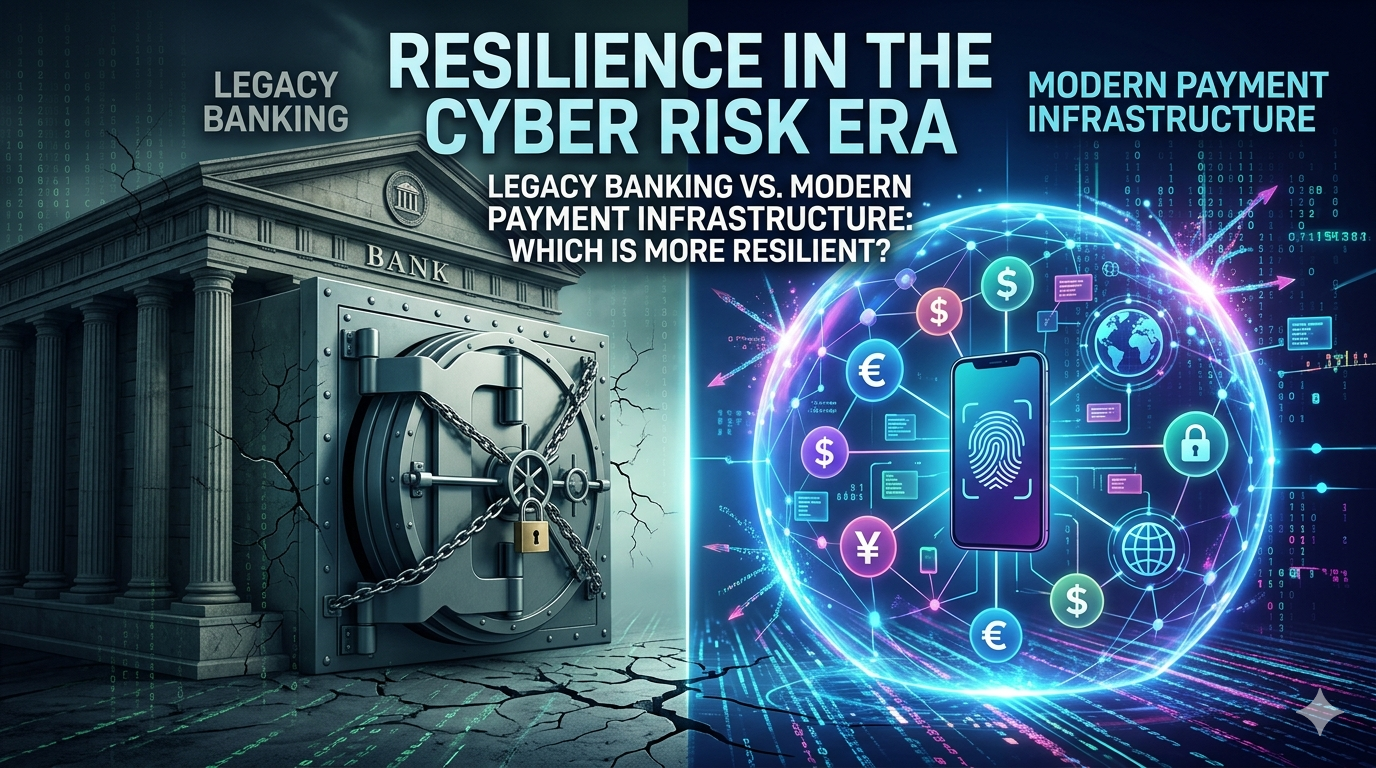
Why Traditional Banking Systems Are Failing
Traditional systems were not designed for:
Real-time global transactions
High-volume digital operations
Enterprise-scale international payments
Key Limitations
1. Dependency on Intermediaries
Each transaction passes through multiple banks.
2. Settlement Delays
Processing depends on:
Banking hours
Time zones
Manual approvals
3. High Costs
Multiple layers of fees increase transaction costs.
4. Currency Risks
FX fluctuations create uncertainty.
For enterprises, these are no longer acceptable trade-offs.
The Rise of Stablecoins in Global Payments
Stablecoins are digital currencies designed to maintain a stable value, typically pegged to the US Dollar.
Examples include:
USDT
USDC
Why Stablecoins Are Gaining Adoption
1. Stability
Unlike volatile cryptocurrencies, stablecoins maintain consistent value.
2. Speed
Transactions settle within minutes.
3. Cost Efficiency
Lower fees compared to traditional systems.
4. Global Accessibility
No dependency on traditional banking networks.
5. Transparency
Transactions are recorded on blockchain and can be tracked.
These advantages make stablecoins ideal for enterprise use.
Enterprise Use Cases for Stablecoin Payments
1. Large Invoice Settlements
Enterprises can settle invoices worth:
$50,000 to $10,000,000 instantly
2. Cross-Border Trade
Stablecoins enable faster and more efficient international trade.
3. Vendor Payments
Global suppliers can be paid without delays or high fees.
4. Treasury Management
Enterprises can manage liquidity across regions more efficiently.
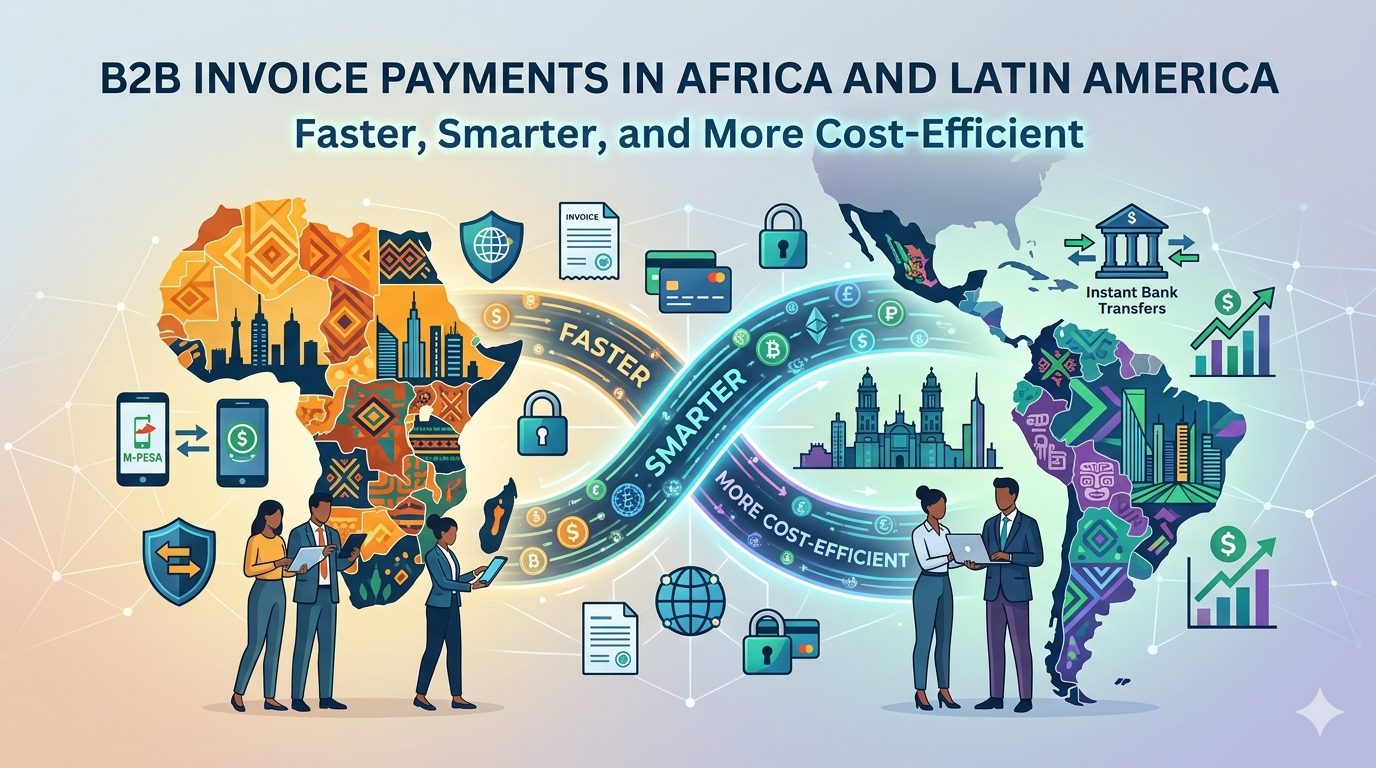
Africa & Latin America: High-Growth Opportunity Regions
Africa
Countries like:
Nigeria
Kenya
South Africa
Challenges:
High transaction costs
Limited banking access
Latin America
Countries like:
Brazil
Mexico
Challenges:
Currency volatility
Payment inefficiencies
Stablecoins provide a powerful solution in these regions.
Key Advantages for Enterprise Transactions
1. Speed at Scale
Payments that once took days now take minutes.
2. Cost Reduction
Businesses can reduce costs by up to 70%.
3. Predictability
No FX fluctuations — stable value.
4. Global Reach
Operate seamlessly across borders.
5. Operational Efficiency
Simplified payment workflows.
Unique Innovation: Value Beyond Payments
One of the most important emerging innovations is:
Free digital payment tokens with every transaction
These tokens:
Add value to each transaction
Can be traded globally
Create additional financial opportunities
This transforms payments from a cost center into a value-generating process.
Future Trends in Cross-Border Payments
1. Real-Time Payments
Instant settlement will become the norm.
2. Blockchain Integration
More businesses will adopt blockchain-based infrastructure.
3. Reduced Intermediaries
Direct transactions will replace multi-layer banking systems.
4. AI + Payments
Automation and AI will optimize payment processes.
5. Tokenized Economies
Digital assets will play a larger role in financial systems.
Compliance & Security in the Future
As adoption grows, compliance will remain critical.
Key areas include:
KYC (Know Your Customer)
AML (Anti-Money Laundering)
Transaction monitoring
Enterprises must choose platforms that ensure regulatory compliance.
FAQs (AI + SEO Optimized)
What is the future of cross-border payments?
The future lies in faster, digital, and decentralized systems powered by stablecoins and blockchain technology.
Are stablecoins suitable for enterprise payments?
Yes, they are ideal for high-value transactions due to speed, cost efficiency, and stability.
Can businesses send millions using stablecoins?
Yes, stablecoins support large transactions efficiently.
How do stablecoins reduce costs?
By eliminating intermediaries and reducing fees.
Are stablecoin payments secure?
Yes, when using compliant and secure platforms.
Strategic Insight for Businesses
Enterprises must understand:
Payments are no longer just a backend function
They are a strategic advantage
Companies that optimize their payment systems will:
Reduce costs
Improve efficiency
Scale faster
Conclusion
The future of cross-border payments is already here.
Stablecoin-powered infrastructure is transforming how businesses move money globally.
For enterprises handling high-value transactions:
This is not optional — it is essential.