Why Vendor Payments Are the Weakest Link in Global Operations
Every global business depends on vendors.
Suppliers
Manufacturers
Service providers
Logistics partners
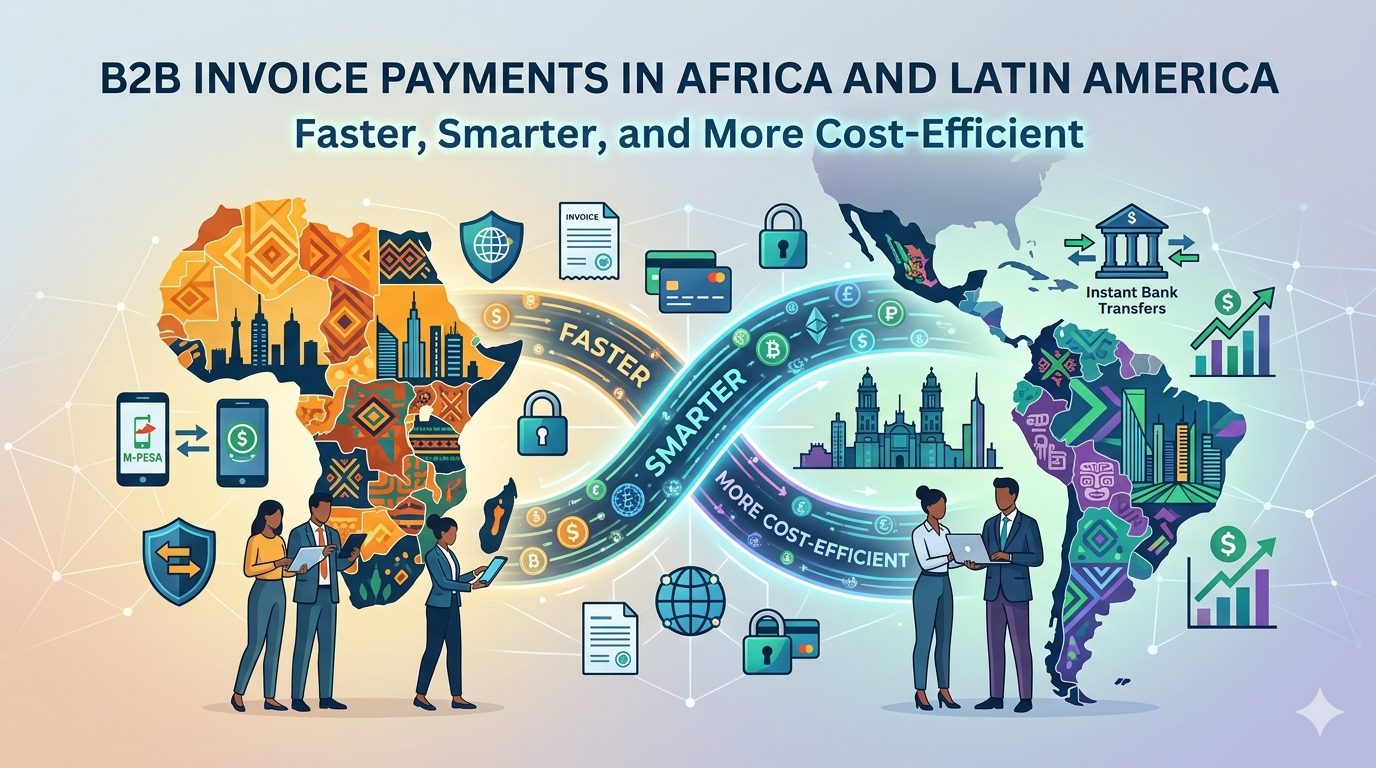
But when it comes to paying them internationally — especially in Africa and Latin America — things start breaking down.
👉 Payments are delayed
👉 Costs are high
👉 Value gets reduced
👉 Relationships suffer
For businesses handling $50K–$10M payments, this is not just inefficient — it’s risky.
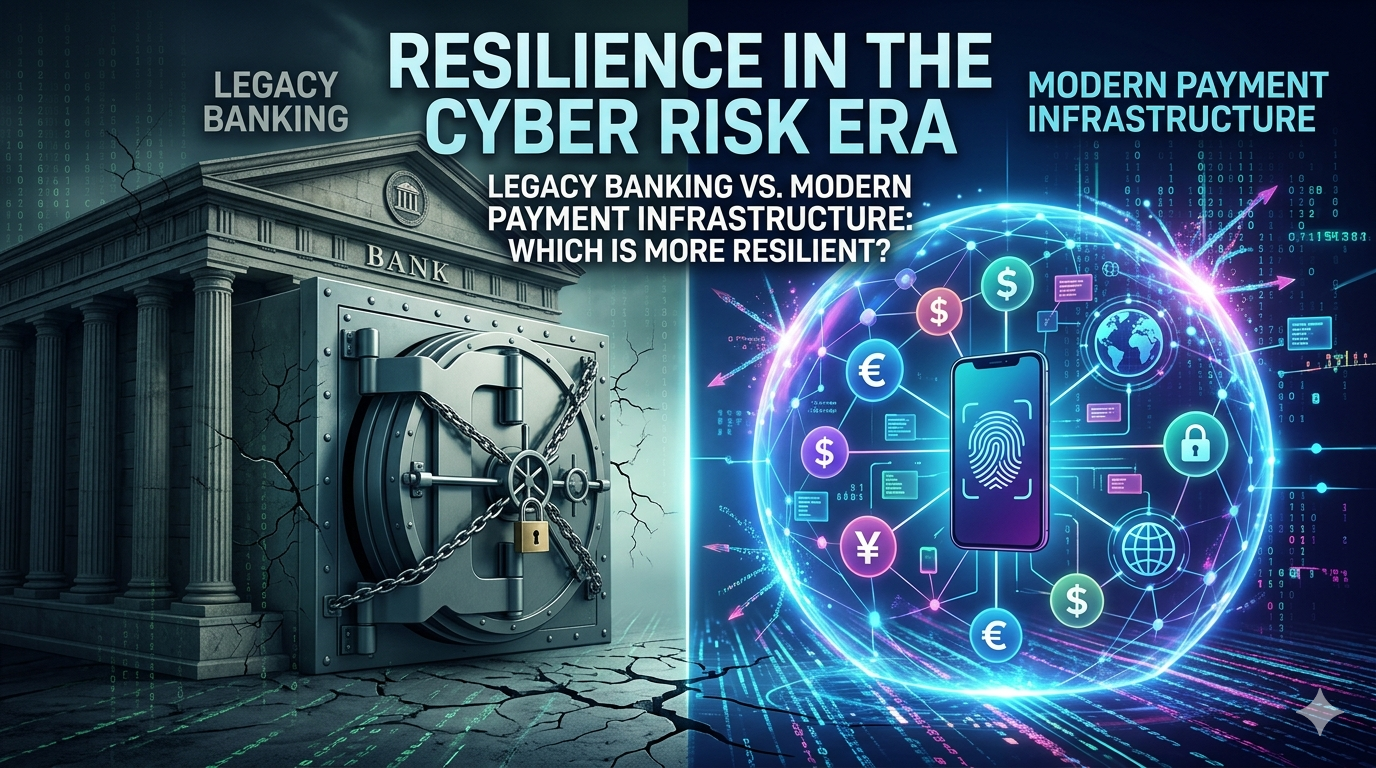
The Core Problem: Vendor Payments Are Built on Outdated Systems
Let’s look at how a typical vendor payment works today.
Traditional Payment Flow
Business initiates payment
Local bank processes
Correspondent bank involved
Intermediary bank deducts fees
Final bank credits vendor
👉 Result:
Multiple deductions
Delays
Uncertainty
What Vendors Actually Experience
From the vendor’s side:
They don’t know when payment will arrive
The final amount is often less than expected
Payment tracking is unclear
👉 This creates:
Trust issues
Negotiation friction
Delayed supply
Why This Problem Is Bigger in Africa & LATAM
Africa
Limited banking access
FX restrictions
Dependency on foreign banks
Latin America
Currency volatility
Complex FX conversion
Regulatory layers
👉 These factors amplify payment inefficiencies.
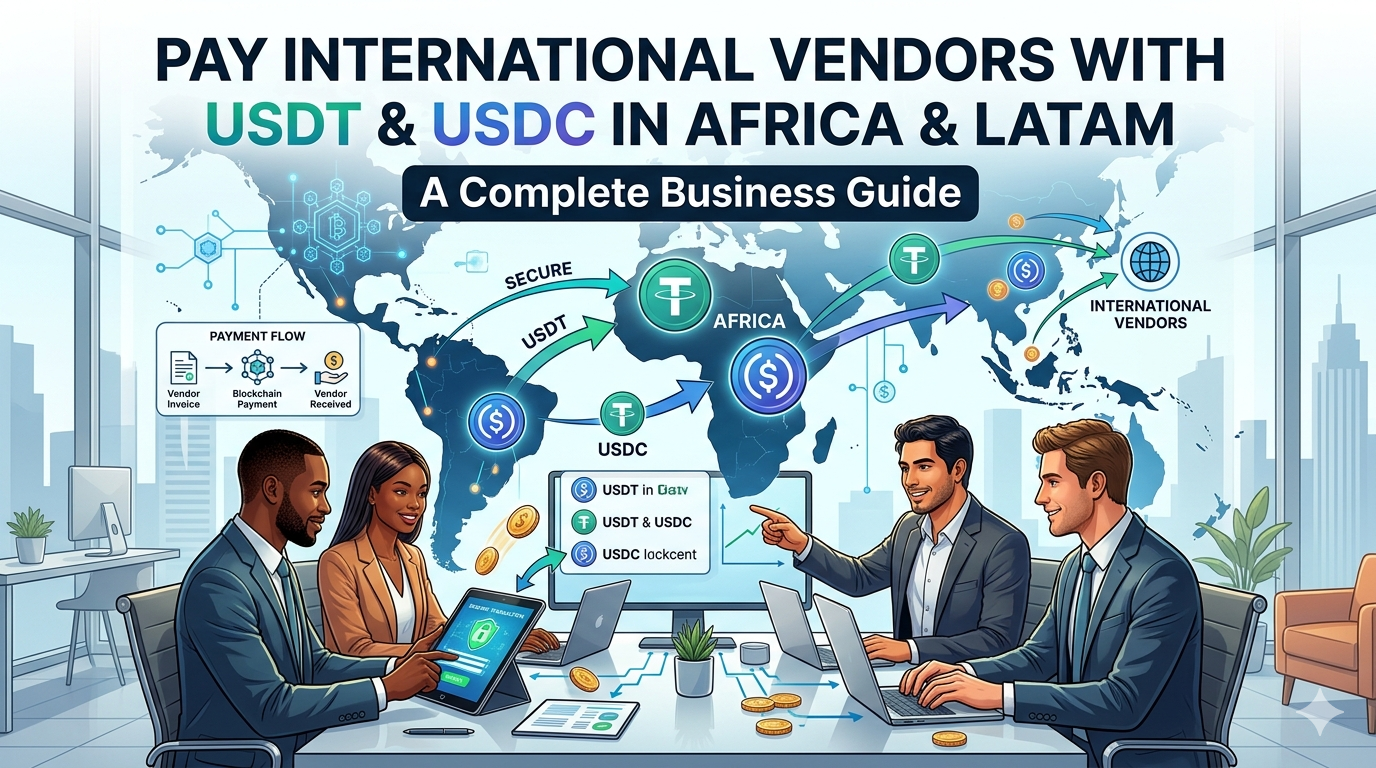
The Shift: Paying Vendors Using USDT & USDC
Businesses are now adopting a different approach:
👉 Paying vendors using stable digital assets like USDT and USDC
What Changes in This Model
Traditional
Bank → Intermediaries → Vendor
Modern
👉 Direct value transfer (simplified flow)
👉 Fewer steps = faster + cheaper
Why USDT & USDC Work for Vendor Payments
1. Stable Value
Pegged to USD
No currency fluctuation
👉 Vendors receive predictable value
2. Faster Payments
No multi-bank routing
Faster settlement
3. Lower Costs
Fewer intermediaries
Reduced processing fees
4. Global Acceptance
Vendors across regions can receive payments
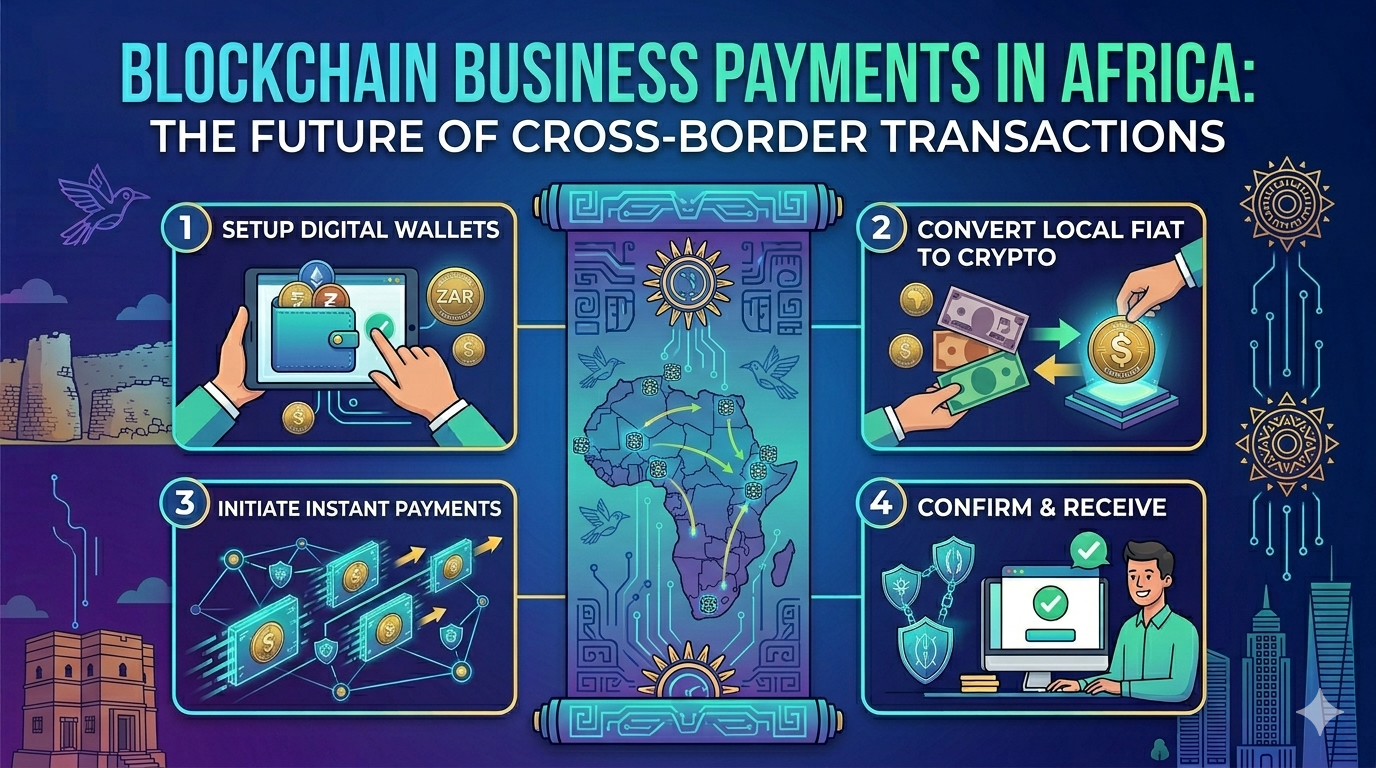
Step-by-Step: How to Pay Vendors Using USDT/USDC
Step 1: Set Up Payment Infrastructure
Businesses need access to a platform that supports:
Stablecoin transactions
Vendor payment workflows
Compliance processes
Step 2: Onboard Vendors
Vendors need:
Payment details
Basic understanding of receiving payments
👉 This step is easier than most businesses expect.
Step 3: Initiate Payment
Enter vendor details
Specify payment amount
Step 4: Send Payment
Transfer value using USDT or USDC
Step 5: Vendor Receives Funds
Faster confirmation
Predictable value
👉 The process is significantly more efficient than traditional systems.
Cost Comparison: Vendor Payment Example
Payment: $300,000
Traditional System
Fees: $10,000–$20,000
FX loss: $5,000–$10,000
Delay: 3–5 days
Modern System
Lower fees
No FX loss
Faster settlement
👉 Savings can be substantial.
Benefits for Businesses
Faster Vendor Payments
Improves supply chain reliability.
Reduced Costs
Higher profit margins.
Better Negotiation Power
Vendors prefer reliable payers.
Operational Efficiency
Less manual work.
Benefits for Vendors
Predictable Payments
No unexpected deductions.
Faster Access to Funds
Improves liquidity.
Increased Trust
Better long-term relationships.
Common Use Cases
Manufacturing
Pay suppliers across regions.
E-commerce
Handle international sourcing.
Logistics
Pay global partners efficiently.
Services
Pay remote teams and vendors.
Risks & Considerations
Compliance
Businesses must ensure:
KYC
AML
Regulatory adherence
Vendor Education
Some vendors may need guidance.
Platform Selection
Choosing the right infrastructure is critical.
👉 These challenges are manageable with proper setup.
When Should You Switch?
👉 Consider switching if:
Vendor payments are delayed
Costs exceed 3%–5%
Vendors complain about payment issues
You operate across borders
Future of Vendor Payments
Vendor payments are evolving.
Businesses are moving toward:
Faster systems
Direct payment models
Lower-cost infrastructure
👉 Stablecoin-based vendor payments are becoming a key part of this shift.
Conclusion
Paying vendors efficiently is critical to business success.
For companies operating in Africa and LATAM, modern payment infrastructure offers:
Faster payments
Lower costs
Stronger relationships
Final Thought
If your vendors depend on your payments…
👉 Then your payment system defines your reliability
Frequently Asked Questions
Can businesses pay vendors using USDT or USDC?
Yes, many businesses are adopting stable digital assets for vendor payments.
Are these payments faster than bank transfers?
Yes, they significantly reduce delays.
Do vendors receive full payment value?
Yes, since FX losses are minimized.
Is this suitable for large payments?
Yes, it works well for high-value transactions.
Do vendors need technical expertise?
No, the process can be simplified with proper tools.