A Cost Most Businesses Don’t Measure Properly
There is a hidden cost inside almost every international transaction.
It doesn’t show up clearly in invoices.
It’s rarely questioned internally.
And over time, it compounds into a significant financial drain.
We’re talking about cross-border payment fees.
For most businesses, these costs are treated as “standard.”
But when you take a closer look — especially for transactions above $50,000 and scaling up to $10,000,000 — the numbers tell a different story.
What appears to be a routine transaction often includes:
Multiple layers of fees
Invisible exchange rate markups
Operational inefficiencies
And collectively, they can erode 5% to 10% of every payment.
At scale, that’s not a cost.
That’s a structural inefficiency.
The $1,000,000 Question
Let’s take a simple scenario.
A business sends $1,000,000 to an international supplier.
On paper, it looks straightforward.
But in reality:
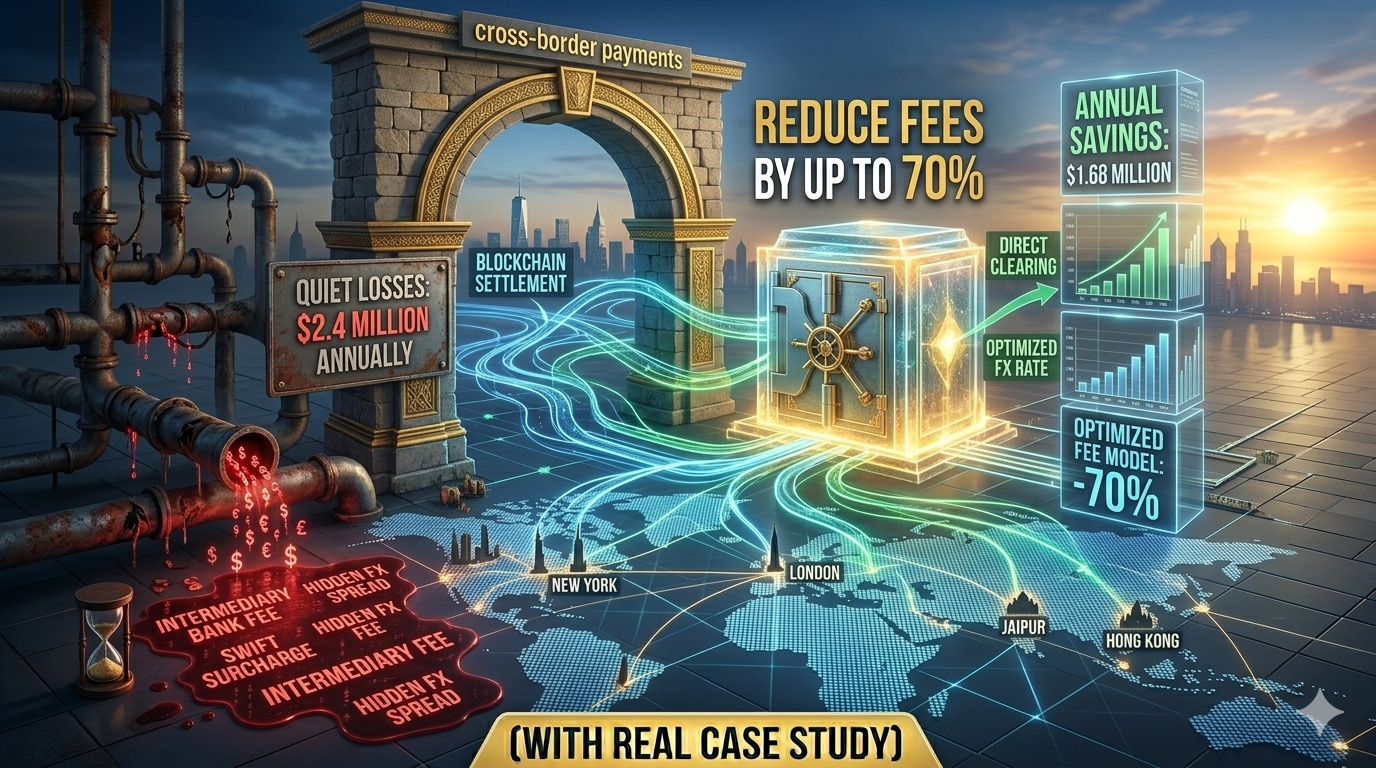
A portion is deducted as transfer fees
Another portion disappears in intermediary handling
The largest chunk is often lost in foreign exchange margins
By the time the payment settles, the actual cost may exceed $50,000.
Now multiply that across:
Monthly supplier payments
Vendor settlements
Cross-border operations
Suddenly, the business isn’t just paying for transactions.
It’s funding inefficiency.
Why This Problem Still Exists
The natural question is:
Why hasn’t this been solved already?
The answer lies in how global payment systems were built.
Traditional cross-border infrastructure is not a single system — it’s a network of systems stitched together over decades.
Each layer was designed for:
Control
Compliance
Local banking ecosystems
Not for:
Speed
Cost efficiency
Global scalability
So what we see today is a system where:
Payments move through multiple institutions
Each institution adds cost
Each step introduces delay
This model worked in a slower, less connected world.
But in today’s environment, it creates friction.
The Hidden Layer: Foreign Exchange Margins
Most businesses focus on transfer fees.
But the real cost often lies elsewhere.
Foreign exchange (FX) margins
Banks don’t usually convert currency at the market rate.
They apply a spread — often small in percentage terms, but large in absolute value.
For example:
A 2% margin on a $1,000,000 transaction = $20,000
A 3% margin = $30,000
This is where the majority of cost leakage happens.
And because it’s not always transparent, it often goes unnoticed.
Why High-Value Transactions Are More Affected
Smaller payments absorb inefficiencies.
Large payments amplify them.
For transactions between:
$50,000 and $10,000,000
Even minor inefficiencies translate into:
Significant financial loss
Reduced margins
Slower capital movement
This directly impacts:
Cash flow planning
Supplier negotiations
Business scalability
In other words, payment inefficiency becomes a strategic issue.
Rethinking the Problem
Instead of asking:
“How do we reduce fees slightly?”
The better question is:
“Why are we paying these fees at all?”
Because once you ask that, the conversation shifts from optimization to transformation.
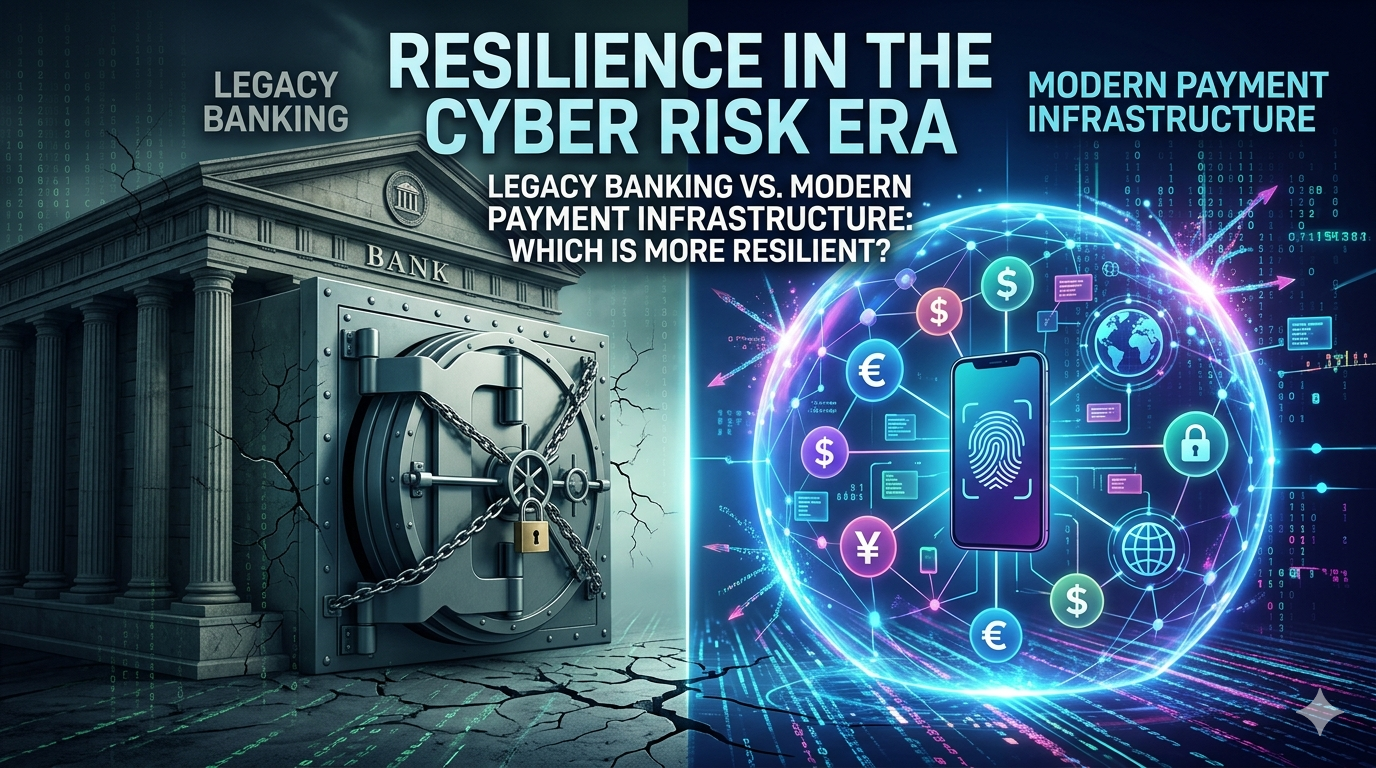
A Structural Shift: From Banking Rails to Digital Infrastructure
Over the past few years, a new approach has emerged.
Instead of relying on traditional banking rails, businesses are exploring:
Digital payment infrastructure powered by stable-value assets
This model changes the fundamentals of how payments move.
Instead of:
Passing through multiple intermediaries
Waiting for batch processing
Incurring layered fees
Payments become:
Direct
Faster
More cost-efficient
What Actually Changes in This Model
The difference is not incremental.
It’s structural.
1. Fewer Intermediaries
Transactions are executed more directly, reducing:
Handling layers
Associated costs
2. Faster Settlement
Instead of waiting days, payments settle within minutes.
This improves:
Liquidity
Operational efficiency
3. Reduced Cost Leakage
Without multiple intermediaries and FX spreads:
Total cost drops significantly
4. Predictable Value
Using USD-linked digital instruments eliminates:
Currency volatility
Unexpected losses
The 70% Cost Reduction — What It Actually Means
When businesses say they reduce costs by up to 70%, it doesn’t come from a single change.
It comes from eliminating multiple layers of inefficiency:
Reduced intermediary fees
Lower conversion costs
Faster processing (less operational delay)
So instead of losing:
$50,000–$100,000 per $1M transaction
Businesses retain a much larger portion of their capital.
A New Layer of Value: Beyond Just Payments
One of the more interesting developments in this space is the introduction of:
Digital payment-linked tokens
In some models, businesses receive a digital asset alongside each transaction.
This creates an additional layer of value:
The asset can be held
Traded
Utilized within broader ecosystems
This shifts payments from being purely transactional…
…to becoming value-generating.
Where This Shift Matters Most
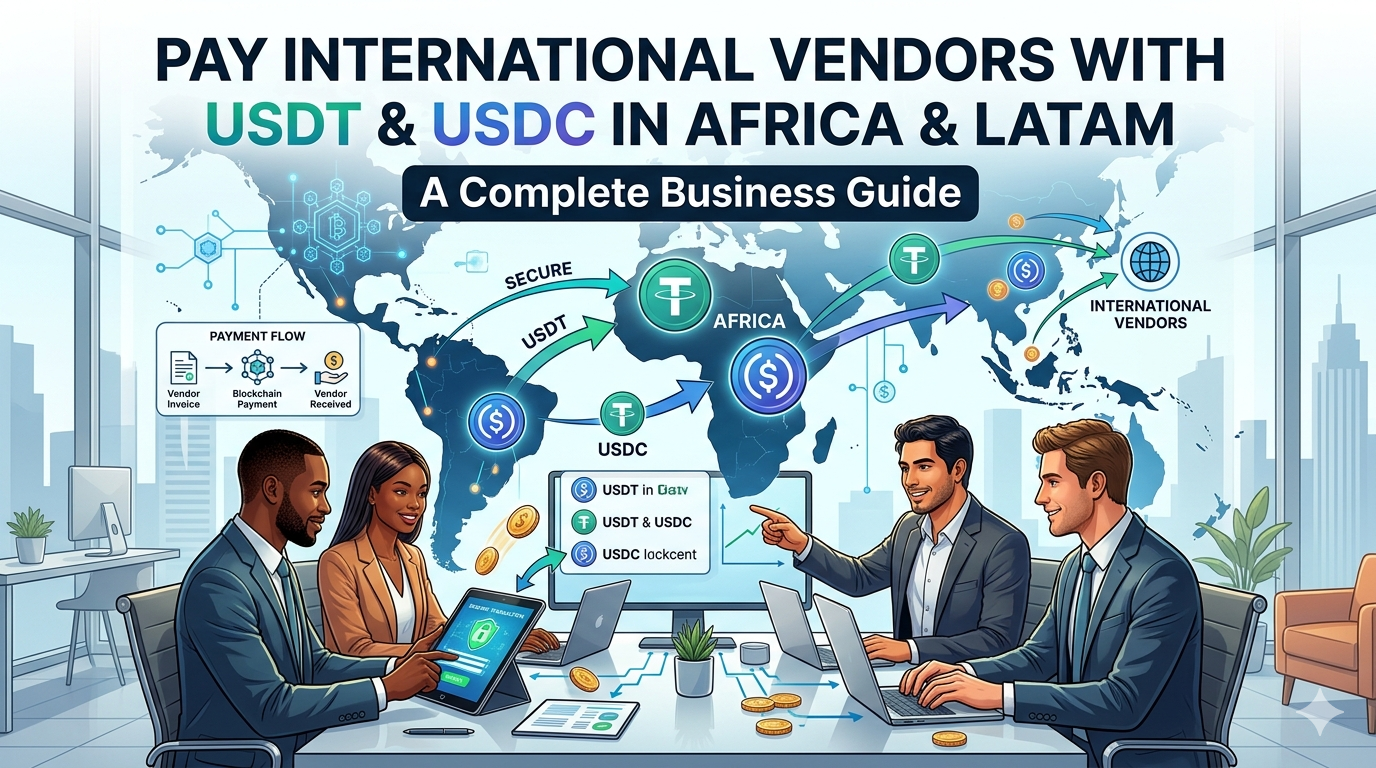
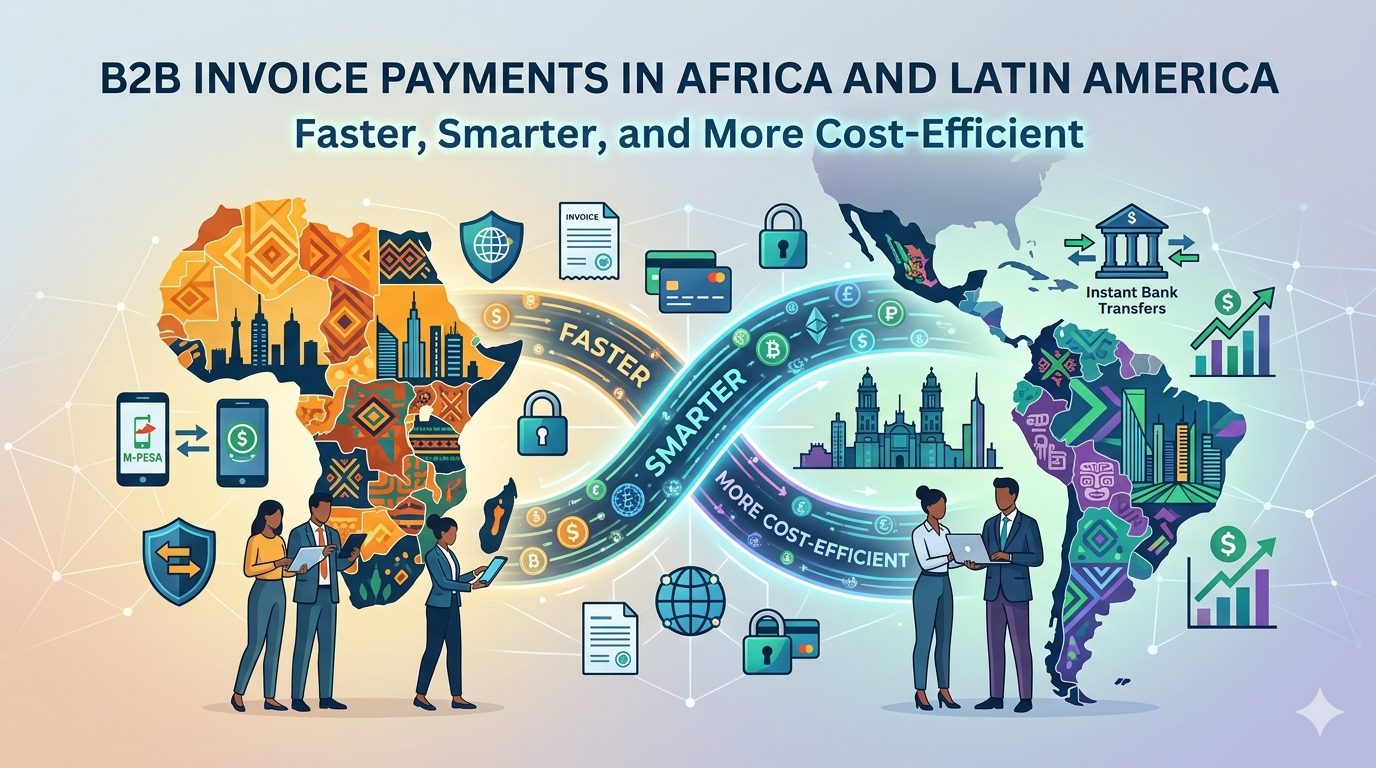
While this transformation is global, its impact is especially strong in regions where traditional systems are less efficient.
Africa
In markets such as:
Nigeria
Kenya
South Africa
Businesses often face:
Higher transaction costs
Limited banking infrastructure
Reducing payment friction here has immediate impact.
Latin America
In countries like:
Brazil
Mexico
The challenge is often:
Currency volatility
Complex financial systems
A more stable, predictable payment layer changes the equation.
Strategic Implications for Businesses
At a surface level, this looks like a finance optimization.
But at a deeper level, it affects strategy.
Businesses that reduce payment inefficiencies can:
Improve margins
Move capital faster
Scale operations more efficiently
In competitive markets, this becomes a real advantage.
A Shift in Mindset
For years, businesses have accepted payment costs as fixed.
But that assumption is now outdated.
The real shift is not just in technology — it’s in mindset:
From “managing costs”
To “eliminating inefficiencies”
Questions Businesses Should Start Asking
Instead of:
“What are our transaction fees?”
Start asking:
How many intermediaries are involved?
What is our true FX cost?
How long does capital remain locked?
What is the opportunity cost of delays?
These questions lead to better decisions.
The Bigger Picture
Payments are no longer just operational.
They are becoming:
A financial optimization lever
A strategic growth enabler
A competitive differentiator
Businesses that recognize this early will have an edge.
Conclusion
Cross-border payment fees have been accepted for too long as unavoidable.
But when examined closely, they reveal:
Structural inefficiencies
Hidden cost layers
Opportunities for transformation
The shift toward modern payment infrastructure is not just about saving money.
It’s about building a more efficient, scalable business.