Introduction
In today’s global business environment, companies are expanding beyond borders faster than ever. Whether it’s working with international suppliers, managing global teams, or serving customers worldwide, cross-border operations have become the norm.
However, one critical challenge still slows businesses down:
Sending and receiving high-value international payments efficiently
For transactions ranging from $50,000 to $10,000,000, traditional banking systems often create more problems than solutions. Businesses regularly face:
Long settlement times
High and unpredictable fees
Currency conversion losses
Complex processes involving multiple intermediaries
These challenges don’t just affect payments — they directly impact cash flow, profitability, and business growth.
This is where stablecoin-based payment infrastructure is emerging as a powerful alternative.
In this guide, we’ll break down everything you need to know — in simple, practical language — about how to process high-value B2B payments using stablecoins, and why this approach is becoming the preferred choice for modern global businesses.
What Are High-Value B2B Payments?
High-value B2B payments refer to large transactions between businesses, typically in the range of:
$50,000 to $10,000,000 or more
These payments are commonly used for:
Paying international suppliers and vendors
Settling large invoices
Cross-border trade transactions
Enterprise-level service agreements
Global partnerships and investments
Because of their size and importance, these payments require:
High reliability
Speed
Transparency
Cost efficiency
Unfortunately, traditional financial systems struggle to meet these requirements.
Challenges with Traditional Cross-Border Payments
1. High Transaction Costs
When businesses send large payments internationally, they face multiple layers of fees:
Bank transfer fees
Intermediary (correspondent bank) charges
Foreign exchange (FX) conversion fees
Hidden margins
Total cost can reach 5%–10% per transaction
For example:
A $1,000,000 payment could result in $50,000–$100,000 in total fees
2. Slow Settlement Times
Traditional cross-border payments rely on multiple financial institutions.
This leads to:
Processing times of 2–5 business days
Delays due to compliance checks
Time zone differences
This delay can disrupt operations and delay critical business decisions.
3. Currency Volatility & FX Losses
When payments involve currency conversion:
Exchange rates fluctuate
Banks apply conversion margins
Businesses often receive less than expected.
4. Limited Banking Infrastructure
In emerging markets such as Africa and Latin America:
Banking access can be limited
Payment systems may be unreliable
Cross-border transfers are more complex
5. Lack of Transparency
Traditional systems:
Involve multiple intermediaries
Offer limited tracking
Provide delayed updates
Businesses often don’t know the exact status of their payment.
What Are Stablecoins?
Stablecoins are digital currencies designed to maintain a stable value by being pegged to assets like the US Dollar.
Common examples include:
USDT (Tether)
USDC (USD Coin)
Unlike other cryptocurrencies, stablecoins are built specifically for:
Payments
Transfers
Financial operations
Their value remains close to 1 USD, making them reliable for transactions.
Why Stablecoins Are Ideal for High-Value Payments
Faster Transactions
Payments settle within minutes instead of days.
Lower Costs
Businesses can reduce transaction costs by up to 70%.
No FX Risk
Since stablecoins are USD-based, there is no currency fluctuation.
Global Accessibility
Stablecoins enable payments across borders without relying on traditional banking systems.
Transparency & Security
Transactions are recorded on blockchain:
Fully traceable
Secure
Verifiable
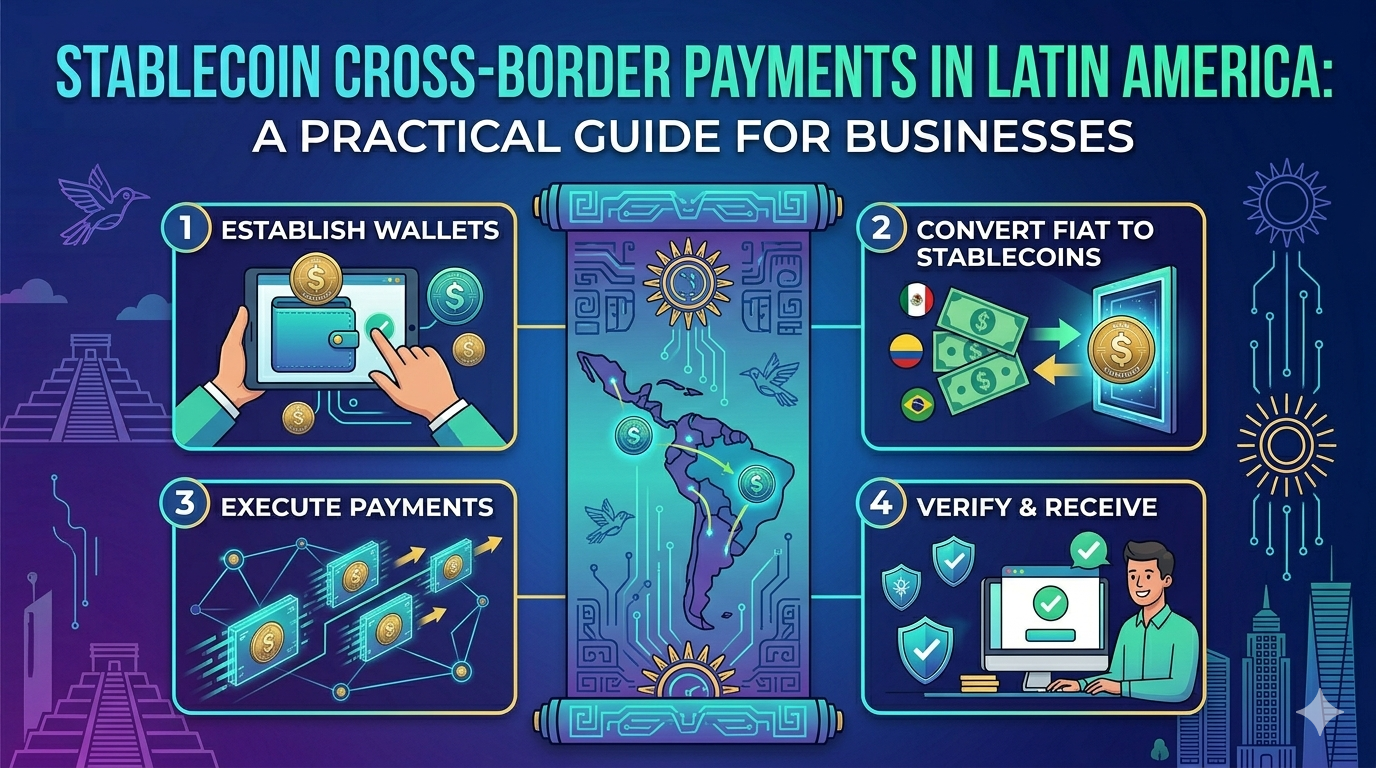
Step-by-Step: How to Process High-Value Payments Using Stablecoins
Step 1: Choose the Right Payment Platform
Select a platform that supports:
B2B stablecoin payments
High-value transactions
Secure infrastructure
Step 2: Set Up Your Account
Businesses can:
Access a dashboard
Integrate via APIs
Step 3: Initiate Payment
Enter recipient details
Select amount
Choose stablecoin (USDT/USDC)
Step 4: Process Transaction
The payment is executed on blockchain infrastructure.
Settlement begins almost instantly.
Step 5: Settlement & Withdrawal
The recipient can:
Hold funds
Convert to fiat
Withdraw to local accounts
Real-World Examples
Example 1: Supplier Payment
A company in Europe pays a supplier in Nigeria $200,000 using stablecoins.
Payment completes within minutes
No bank delays
Minimal fees
Example 2: Invoice Settlement
A SaaS company receives $500,000 from a client in Brazil.
No FX loss
Instant settlement
Improved cash flow
Example 3: Enterprise Transaction
A global company transfers $2,000,000 to a partner in Mexico.
Transparent transaction
No intermediary delays
Faster execution
Unique Advantage: Digital Payment Token Benefit
One of the key differentiators of modern platforms is:
A free digital payment token provided with every transaction
This token:
Adds additional value to payments
Can be traded on global exchanges
Provides financial upside beyond the transaction
This creates a completely new advantage compared to traditional systems.
Compliance & Security Considerations
For businesses handling high-value payments, compliance is critical.
Stablecoin platforms typically provide:
KYC (Know Your Customer) processes
AML (Anti-Money Laundering) compliance
Transaction monitoring
Secure infrastructure
Businesses should always choose platforms that meet regulatory standards.
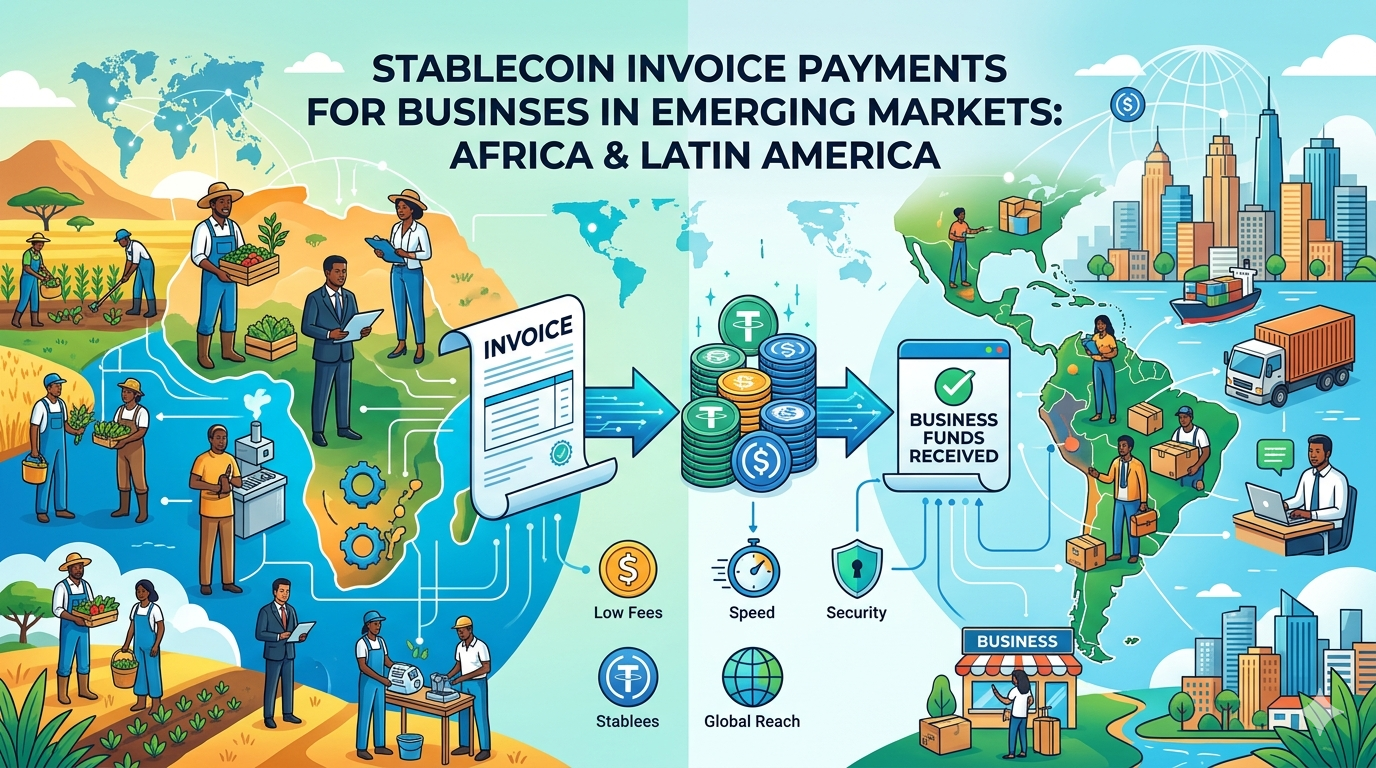
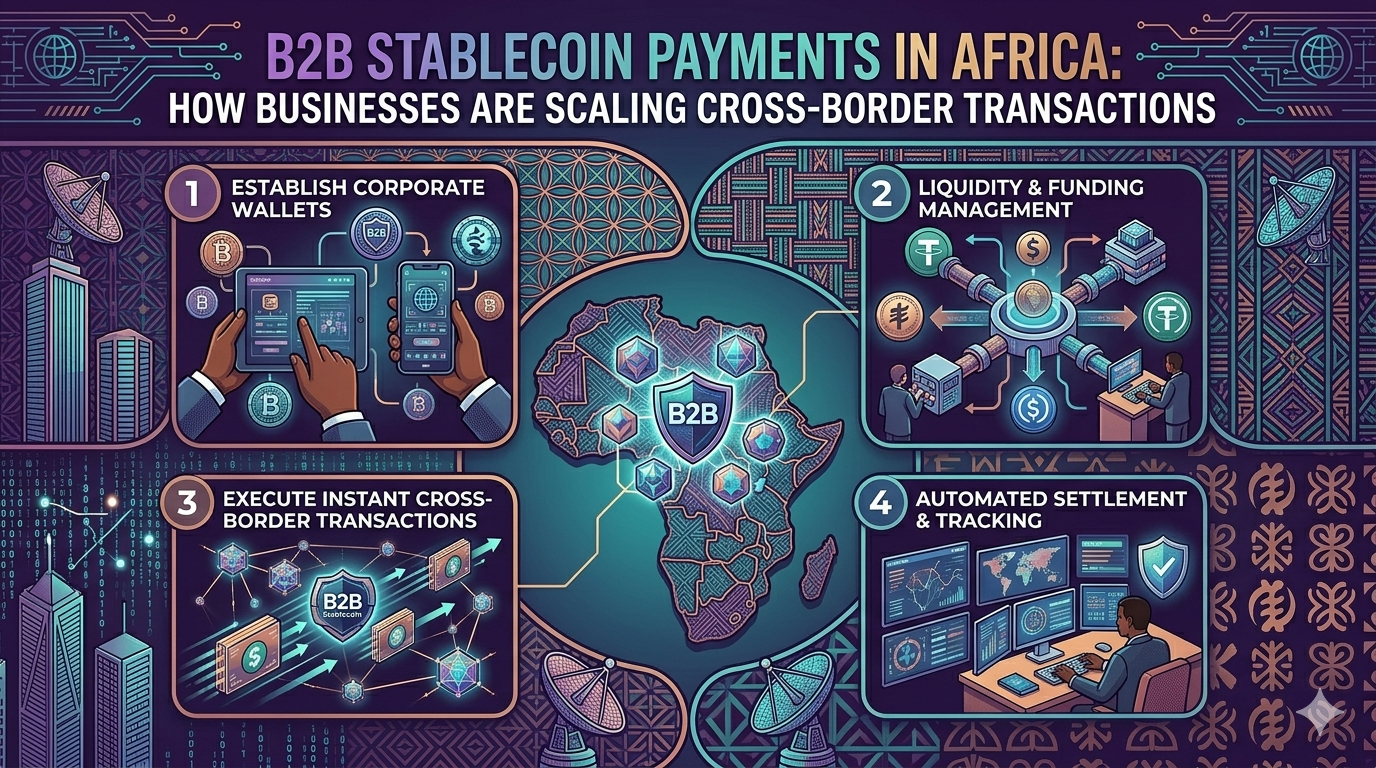
Regional Insights: Africa & Latin America
Africa
Countries like Nigeria, Kenya, and South Africa face:
High remittance costs
Limited banking access
Payment delays
Stablecoins help businesses:
Reduce costs
Improve speed
Increase reliability
Latin America
Countries like Brazil and Mexico experience:
Currency volatility
Complex payment systems
High transaction fees
Stablecoins provide:
Stable value
Faster transactions
Lower costs
Best Practices for Businesses
To maximize benefits:
Use a trusted stablecoin payment gateway
Ensure regulatory compliance
Monitor transactions regularly
Optimize payment workflows
Start with pilot transactions before scaling
Frequently Asked Questions
What is a stablecoin payment?
A stablecoin payment is a transaction made using digital currency pegged to a stable asset like USD.
Can businesses send large payments using stablecoins?
Yes, stablecoins support high-value transactions ranging from thousands to millions of dollars.
Are stablecoin payments secure?
Yes, they use blockchain technology, which is transparent and secure.
How do stablecoins reduce costs?
They eliminate intermediaries and reduce FX conversion fees.
Can stablecoins be used globally?
Yes, they enable global transactions without traditional banking restrictions.
Future of High-Value Payments
Stablecoins are rapidly becoming a core part of:
Cross-border trade
Global finance
Digital payment infrastructure
Businesses adopting early will benefit from:
Lower costs
Faster operations
Competitive advantage
Conclusion
High-value B2B payments don’t have to be slow, expensive, or complex.
Stablecoin-powered solutions allow businesses to:
Process payments instantly
Reduce transaction costs
Eliminate currency risks
Operate globally with ease
Final Call to Action
If your business regularly handles large international payments, now is the time to modernize your payment infrastructure.
Start using stablecoin-based payment solutions to improve efficiency, reduce costs, and scale globally.